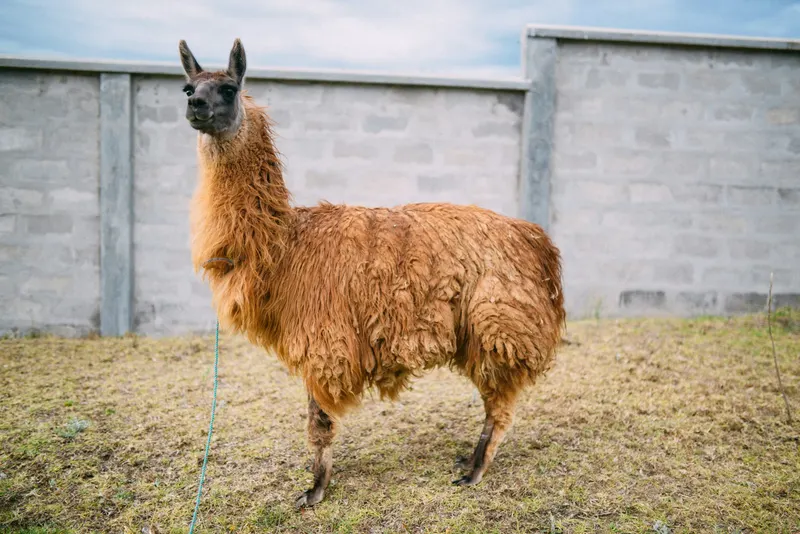
Llama pregnancy guide
How long is a llama pregnant?
A llama is pregnant for about 350 days (about 11.5 months). The normal range is 330 to 370 days, so most cria arrive within that window rather than on the exact average day.
Quick rule: Count about 11.5 months forward from the mating date, then adjust for breed.
How to use the llama pregnancy calculator
1. Enter the mating date. The last date she was mated. Tap Use today if it was today.
Then follow the schedule. Each task gets a real date, the next one is highlighted, the status shows whether your female is on track, and the month by month cards above show where things stand. Use Copy schedule or Add to Google Calendar to keep it.
Gestation formulas
- Estimated birth date = mating date + 350 days
- Earliest normal birth = mating date + 330 days
- Latest normal birth = mating date + 370 days
- Breed adjustment = breed average minus 350 days, applied to the whole window
- Call your vet if nothing has happened by day 375
Care schedule for a pregnant female
| When | Task | Why |
|---|---|---|
| Day 14 | Spit off test | A pregnant female usually rejects the male from about day 7 to 14. |
| Day 45 | Ultrasound check | Confirms pregnancy from about day 30 to 60. |
| Day 90 | Recheck pregnancy | Spit off or scan again to confirm she is holding. |
| 30 days before due date | CD and T booster | About a month before birth passes immunity to the cria. |
| 14 days before due date | Prepare birthing area | Clean, dry paddock you can watch during the day. |
Signs of birth and when to call the vet
Labour is close if she has
- ✓Udder fills in the last days
- ✓Frequent trips to the dung pile without passing much
- ✓Separating from the herd and humming
- ✓Lying down and getting up again and again
Call your vet immediately if
- !Strong straining for 30 minutes with no cria born
- !A baby is visible but stuck, or comes backwards with no progress
- !Heavy bleeding or foul-smelling discharge
- !She is weak, collapsed, off her food or in obvious pain
- !No birth by day 375
Frequently asked questions
How long is a llama pregnant?
A llama is pregnant for about 350 days (about 11.5 months). Most cria arrive between day 330 and day 370.
How accurate is this calculator?
It uses the average length and the normal range published in veterinary references, adjusted for the breed you pick. Individual animals vary, so treat the date as the middle of a window, not a promise.
When can I confirm the pregnancy?
Ultrasound check around day 45. Confirms pregnancy from about day 30 to 60.
What if she goes past the due date?
Going a few days past the average is normal. The calculator marks day 370 as the end of the usual window and day 375 as the point to call your vet even if she seems well.
What are the signs that birth is close?
Udder fills in the last days. Frequent trips to the dung pile without passing much. Separating from the herd and humming.
Is my data saved?
No. Everything is calculated in your browser. Nothing you type is stored or sent anywhere.
Disclaimer: This calculator gives estimates for planning only. It is not veterinary advice and cannot replace an examination by your vet. If you are worried at any stage, especially around birth, contact your vet promptly.